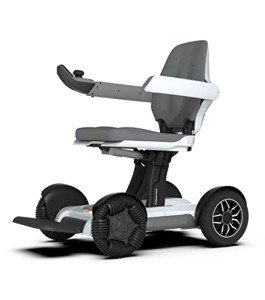
Navigating the World with Disabled Scooters: A Comprehensive Guide
In today's hectic world, mobility is a fundamental aspect of life. For people with specials needs, maintaining self-reliance and mobility is important. Disabled scooters, also understood as mobility scooters, have actually become an essential tool for those who deal with difficulties in strolling or standing for extended periods. click the up coming post digs into the world of disabled scooters, exploring their benefits, types, and how to find the best one near you.
Understanding Disabled Scooters
Disabled scooters are motorized vehicles created to help people with mobility issues. They are particularly beneficial for those who have difficulty using manual wheelchairs or walking help. These scooters come in different sizes and designs, dealing with different needs and preferences. They are geared up with features such as comfortable seating, adjustable speed settings, and security mechanisms to make sure a smooth and protected ride.
Benefits of Disabled Scooters
- Enhanced Independence: One of the main benefits of using a disabled scooter is the increased self-reliance it provides. Users can take a trip to different locations without depending on others, which enhances their self-confidence and self-confidence.
- Improved Mobility: Scooters allow individuals to cover longer distances with less effort, making it easier to take part in social activities, run errands, and delight in outside areas.
- Convenience and Safety: Modern scooters are designed with ergonomic seats, adjustable backrests, and other convenience functions. They likewise include security functions such as brakes, lights, and turn signals to make sure a safe riding experience.
- Economical: Compared to other mobility aids like power wheelchairs, scooters are typically more affordable and require less upkeep.
Types of Disabled Scooters
- Three-Wheeled Scooters: These scooters are known for their agility and maneuverability. They are perfect for indoor use and narrow areas but might not be as stable as four-wheeled models.
- Four-Wheeled Scooters: Offering much better stability and balance, four-wheeled scooters appropriate for both indoor and outside usage. They are especially advantageous for users who require to navigate uneven surface.
- Portable Scooters: Designed for travel, these scooters can be taken apart and transferred in a car or on public transportation. They are light-weight and easy to store.
- Sturdy Scooters: Built for users who require a greater weight capability, durable scooters are robust and durable. They are perfect for people who need extra support and stability.
How to Find Disabled Scooters Near You
Discovering the best disabled scooter can be a difficult task, but with the ideal technique, it can be a smooth and rewarding experience. Here are some actions to help you locate and choose the ideal scooter:
- Research Online: Start by investigating online to get an idea of the different brand names and designs offered. Websites like Amazon, Walmart, and specialized mobility stores provide a wide variety of choices.
- Local Mobility Stores: Visit regional mobility stores to see and test different scooters in individual. This will provide you a much better understanding of the features and convenience levels of each design.
- Speak With a Healthcare Professional: Speak with a healthcare provider or a mobility professional to get tailored recommendations based on your specific requirements and physical condition.
- Check Out Reviews and Testimonials: Check online evaluations and testimonials from other users to get insights into the efficiency and reliability of different scooters.
- Consider Your Needs: Think about your everyday activities and the environments in which you will be using the scooter. Consider factors such as indoor and outdoor usage, weight capability, and battery life.
Often Asked Questions (FAQs)
Q: Are disabled scooters covered by insurance?A: Some insurance plans, including Medicare, might cover the cost of a disabled scooter if it is deemed clinically required. It's crucial to contact your insurance company to understand the coverage information and any needed documents.
Q: How do I preserve my disabled scooter?A: Regular upkeep is vital to guarantee the durability and security of your scooter. This consists of inspecting the battery, tires, and brakes routinely, keeping the scooter tidy, and following the manufacturer's upkeep guidelines.
Q: Can I utilize a disabled scooter on public transport?A: Many public transportation systems, including buses and trains, are geared up to accommodate disabled scooters. Nevertheless, scooter for sale near me 's recommended to examine the specific policies and requirements of the transport provider in your area.
Q: What is the average lifespan of a disabled scooter?A: With appropriate maintenance, a disabled scooter can last for a number of years. The average life-span is usually around 5-10 years, depending on use and care.
Q: Can I drive a disabled scooter on the roadway?A: In the majority of locations, disabled scooters are allowed on roadways, but they must stick to particular guidelines. It's essential to check regional traffic laws and standards to ensure safe and legal usage.
Disabled scooters are an important tool for individuals with mobility challenges, using improved self-reliance, comfort, and security. By understanding similar web-site of scooters and following the steps to discover the ideal one, you can delight in a more active and fulfilling life. Whether you are looking to check out the outdoors, run errands, or simply preserve your self-reliance, a disabled scooter can be a game-changer. Put in the time to research study, seek advice from specialists, and test different designs to discover the ideal suitable for your needs.
If you have anymore concerns or need further support, do not think twice to reach out to regional mobility stores or health care companies. Your journey to boosted mobility starts with the right disabled scooter.